
- Q: What are calcium oxalate kidney stones and how do they relate to calcium oxalate crystals in urine?
- Q: What are the symptoms of calcium oxalate crystals in urine and how might they present in adults?
- Q: What are the main causes of calcium oxalate crystals in urine?
- Q: Does calcium intake lead to the formation of calcium oxalate crystals or kidney stones?
- Q: What foods contribute to calcium oxalate crystals in urine and should be avoided?
- Q: What foods should you eat if you have calcium oxalate crystals in your urine?
- Q: What are the treatment options for calcium oxalate crystals in urine and kidney stones?
- Q: How do you get rid of calcium oxalate crystals in urine and what are prevention strategies?
- Understanding Calcium Oxalate Crystals
- Conclusion
- Our Medical Review Process
- Our Editorial Guidelines
- Medical Disclaimer
- Source
Approximately 10–15% of people develop kidney stones at some point in their lifetime.
Calcium oxalate stones occur in 80% of these cases, making them the most widespread type of kidney stones. Research shows that calcium oxalate stones have a high tendency to recur. There is a 10-year recurrence rate of 30% in patients who had these stones for the very first time.
Before you can figure out how you flush oxalates out of your body, it’s important to get a better perspective of what calcium oxalate kidney stones are and how they affect the body.
To ensure an accurate and medical perspective, we interviewed Dr. Preet SB, a licensed medical doctor, about calcium oxalate crystals in urine. Dr. Preet SB provided detailed insights in response to direct questions about calcium oxalate in urine, including what the presence of calcium oxalate crystals in urine indicates, their causes, potential symptoms, and the current treatment options. All information presented is reviewed and medically sourced to maintain the highest standard of reliability. Furthermore, this article incorporates secondary considerations such as nephrolithiasis and other related crystal findings, while upholding a professional approach in alignment with medical publication standards.
Q: What are calcium oxalate kidney stones and how do they relate to calcium oxalate crystals in urine?
Dr. Preet SB answers: Calcium oxalate crystals in urine are closely related to the development of kidney stones, particularly calcium oxalate stones, which are the most prevalent type of nephrolithiasis. These stones are essentially tough clumps of minerals and other substances that can form when certain factors align, resulting in the solidification of crystals within the kidneys. When we talk about calcium oxalate crystals in urine, we’re referring to the process where excess oxalate in urine starts to clump and crystallize. This condition isn’t just a laboratory finding; it has real implications for your health, and its significance is often detected during a routine urine test. Normally, urine oxalate excretion ranges from approximately 15–45 mg per day. Risk for calcium oxalate kidney stone formation increases with higher levels, though stones can occasionally form even within the normal range. Very high intake of vitamin C (typically above 1–2 g per day) can increase urinary oxalate and potentially raise the risk of calcium oxalate stones. Suppose your healthcare provider finds calcium oxalate crystals in your urine. In that case, it’s important to understand what that means for your overall kidney health and to address potential risk factors for kidney stones.
Q: What are the symptoms of calcium oxalate crystals in urine and how might they present in adults?
Dr. Preet SB answers: Many patients wonder about calcium oxalate crystals in urine symptoms, sometimes, these crystals remain asymptomatic until they aggregate into kidney stones or move through the urinary tract. When calcium oxalate crystals begin to move, they can lead to very noticeable and sometimes severe symptoms. Individuals may experience pain radiating from the back or side, often in intermittent waves, typically when stones obstruct urine flow. Individuals may experience pain radiating from the back or side, often in intermittent waves, typically when stones obstruct urine flow. Vomiting and nausea generally occur if stones cause significant obstruction. A persistent urge to urinate may indicate urinary tract irritation or infection rather than the presence of crystals alone. Adults, especially, should be aware that sometimes the only sign of calcium oxalate crystals in urine is microscopic blood or subtle discomfort, until the stones become large or start to migrate. If you notice any of the following, worsening back pain, hematuria, or changes in your urine color (such as brown pee), it’s wise to seek medical advice to determine the underlying cause.

Q: What are the main causes of calcium oxalate crystals in urine?
Dr. Preet SB answers: The causes of calcium oxalate crystals in urine can be both genetic and environmental. Genetic predisposition plays a role, as certain genes may make individuals more susceptible to forming oxalate crystals. However, environmental and lifestyle factors are often more easily modified. The urine typically contains chemicals that help prevent oxalate from crystallizing, but when there’s excess oxalate or low urine volume, these natural inhibitors become overwhelmed. Chronic dehydration is a major contributor, as it leads to more concentrated urine, which increases the risk of crystal formation. Some reports suggest that a significant portion of Americans may experience chronic low fluid intake, with higher rates among the elderly, though estimates vary by study (as research indicates). Very high dietary oxalate intake (from foods such as spinach, nuts, and chocolate), along with high salt or protein intake, may increase the risk of calcium oxalate crystal formation, especially in susceptible individuals. Other contributing factors include obesity, diabetes, weight-loss (bariatric surgery) surgery, inflammatory bowel disease, high parathyroid hormone levels (hyperparathyroidism), and rare genetic conditions like Dent disease. All these can increase the risk and frequency of calcium oxalate crystals in urine, which, if left unmanaged, can progress to kidney stones.
Q: Does calcium intake lead to the formation of calcium oxalate crystals or kidney stones?
Dr. Preet SB answers: It’s a common misconception that consuming calcium directly causes kidney stones or the formation of calcium oxalate crystals in urine. When consumed in recommended amounts (generally 1,000–1,200 mg per day for adults, depending on age), calcium binds oxalate in the digestive tract, reducing the amount excreted into the urine. This effect actually decreases your risk for calcium oxalate crystals and subsequent stone formation. However, if you have been found to have calcium oxalate kidney stones, it’s important not to drastically limit your calcium, this could be counterproductive. Instead, you should focus on maintaining a balanced diet that is low in dietary oxalate, including calcium-rich foods such as dairy products, fortified cereals, and select low-oxalate vegetables and beans. If you have concerns about your diet and calcium intake, a registered dietitian or healthcare provider can help you select foods to promote urinary and renal health while minimizing your risk.
Q: What foods contribute to calcium oxalate crystals in urine and should be avoided?
Dr. Preet SB answers: A healthy diet is a cornerstone in the prevention of calcium oxalate crystals in urine and subsequent stone formation. Oxalate, found naturally in many plant-based foods, can contribute to calcium oxalate stone formation in susceptible individuals, particularly if dietary calcium intake is low or oxalate intake is very high. High intakes of sugar, sodium, animal protein, and oxalate-rich foods can all elevate this risk. Research indicates that higher sodium intake may increase the risk of kidney stones, while increased water consumption has been shown to reduce this risk (as a study shows). Oxalate-rich foods to limit or avoid include French fries, rhubarb, spinach, potato chips, bran flakes, and beets. It’s best to moderate these foods and work with a nutrition professional who can help you develop an oxalate-conscious meal plan that supports kidney health and lowers your risk of calcium oxalate crystals in urine.
Q: What foods should you eat if you have calcium oxalate crystals in your urine?
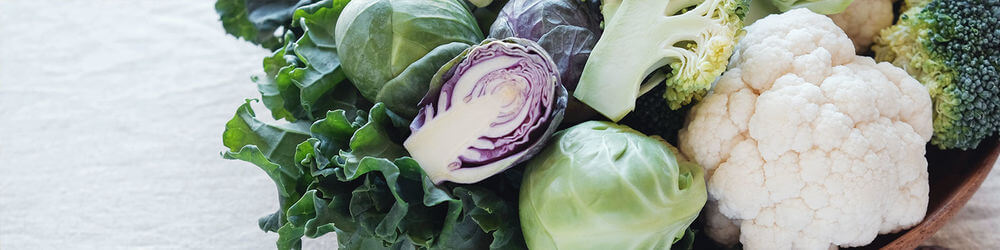
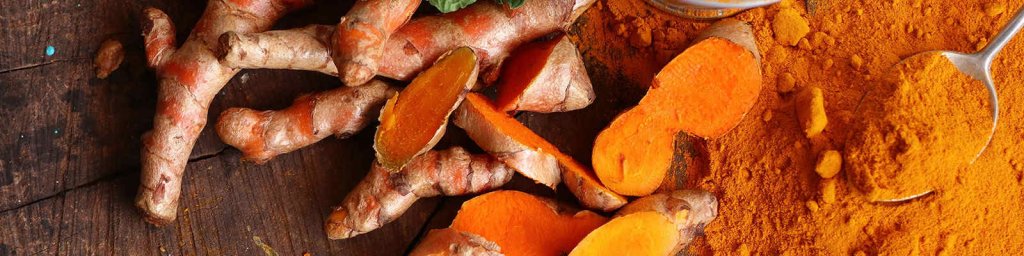
Dr. Preet SB answers: The right diet for calcium oxalate crystals in urine aims to strike a balance, limiting high-oxalate foods while emphasizing nutrient-rich options that promote urinary tract health. It’s important to consume a variety of fruits, vegetables, and lean proteins while ensuring adequate calcium intake (preferably from dietary sources). Drink plenty of water to dilute your urine and help flush out crystals. You should manage your calcium intake (don’t over-restrict it), ensure adequate but not excessive vitamin C intake from dietary sources, as very high doses can increase urinary oxalate., and favor low-oxalate vegetables. Foods considered favorable in a low-oxalate diet include lean proteins such as poultry, eggs, and fish; fruits like peaches, apples, and cherries; vegetables like cabbage, cauliflower, and peas; dairy snacks like milk and yogurt; and beverages such as water and coffee; fruit juices can be consumed in moderation, preferably those low in oxalate and sugar. Certain herbs like cumin and turmeric are also suitable for most patients. If you have specific dietary preferences or medical concerns, a nutritionist can provide a more individualized plan.
Q: What are the treatment options for calcium oxalate crystals in urine and kidney stones?
Dr. Preet SB answers: Calcium oxalate crystals in urine treatment can vary depending on the severity and size of the crystals or stones. Many small stones (less than 4 mm) may pass spontaneously without intervention, often within a few weeks. Stones measuring 4 to 6 mm pass in about 50–60% of cases, though the timeframe varies among individuals. Stones measuring 4 to 6 mm may still pass spontaneously in about 60% of cases, although this can take up to 45 days. Treatment is always tailored to the underlying cause: if the issue is low urine volume, increasing your fluid intake to around 2.5 to 3.0 L per day is encouraged. Reducing sodium and protein intake while maintaining appropriate dietary calcium levels is also recommended. Nonsteroidal anti-inflammatory drugs (NSAIDs), such as ibuprofen or naproxen, may be prescribed for pain relief, provided there are no contraindications related to kidney function or other conditions. Alpha-blockers such as tamsulosin can help relax the muscles of the ureter, promoting stone passage for smaller stones. Larger stones causing symptoms may require more advanced interventions, such as percutaneous nephrolithotomy (surgical removal), extracorporeal shock wave lithotripsy (using sound waves to break up stones), or ureteroscopic removal. Only your healthcare provider can determine the best treatment option for you based on your individual circumstances and the results of your urine test and imaging.

Q: How do you get rid of calcium oxalate crystals in urine and what are prevention strategies?
Dr. Preet SB answers: Successfully treating and preventing calcium oxalate crystals in urine involves a multifaceted approach. Diet and hydration are key, aim to drink enough fluids to produce approximately 2–2.5 L of urine per day, helping to keep urine dilute and reduce the risk of crystal aggregation into kidney stones. Balanced intake of non-fat or low-fat dairy can help bind oxalate in the gut, while reducing sodium intake, ideally to less than 2,300 mg per day, can help lower kidney stone risk, maintaining a healthy weight, and avoiding excessive vitamin C supplementation (over 500 mg/day) are all effective strategies. Medications like Flomax (tamsulosin) or Cardura (doxazosin) can be prescribed to help relax the urinary tract and facilitate the passage of existing crystals or stones. Dietary planning with a nutritionist or physician is especially helpful, they can customize your meal plan based on your health status and recent test results. Practically, aim for 2 cups of raw or 1 cup of cooked vegetables at lunch and dinner, 1-2 servings of fruit, whole grains, and about 2-4 ounces of lean protein each meal. Some beverages and foods, like buttermilk, lemonade, and certain beans and greens, are acceptable depending on your specific risk profile. If you’ve previously experienced calcium oxalate crystals in your urine or kidney stones, regular check-ups with your urologist or primary care provider are critical for ongoing management and prevention.
Understanding Calcium Oxalate Crystals
Q: Can having high calcium in blood increase the risk of developing calcium oxalate crystals in urine?
Dr. Preet SB answers: Yes, particularly when high blood calcium (hypercalcemia) leads to high urine calcium (hypercalciuria). Primary hyperparathyroidism is one cause that can raise urinary calcium, increasing the likelihood of calcium pairing with oxalate to form crystals. Not everyone with hypercalcemia forms stones, because urine volume, citrate (a natural inhibitor), and oxalate load also matter. If blood calcium is elevated, your clinician may check parathyroid hormone, a 24-hour urine profile (calcium, oxalate, citrate, uric acid), and advise hydration (≥2.5 L/day) to lower the risk.
When to seek care: New kidney stone symptoms (severe side/flank pain, fever with chills, vomiting, visible blood in urine) warrant urgent assessment.
Q: What role does calcium carbonate play in preventing or aggravating calcium oxalate crystals formation?
Dr. Preet SB answers: Taken with meals, calcium carbonate binds dietary oxalate in the gut so less oxalate reaches the kidneys. That can lower urinary oxalate and reduce calcium oxalate crystal formation. Problems arise when large calcium supplements are taken between meals or in excess: urinary calcium can rise, tipping the balance toward crystallization.
A practical approach is to meet your daily calcium target (about 1,000–1,200 mg/day) mainly from food; if a supplement is needed, use the lowest dose to reach the target, split into ≤500–600 mg doses with meals. People prone to calcium phosphate stones should discuss supplements carefully, as calcium carbonate can increase urine pH.
Q: What does calcium do for the body, and should intake change if calcium oxalate crystals in urine are found?
Dr. Preet SB answers: If you are thinking of reducing calcium intake, just to reduce your risk of kidney stones, that is not the right approach. Calcium is the most abundant mineral in the body, with numerous roles in the body. Calcium supports bones and teeth, muscle contraction, nerve signaling, and hormone release. If calcium oxalate crystals are detected, do not sharply restrict dietary calcium. Too little calcium at meals allows more oxalate to be absorbed, raising urinary oxalate. Most adults should aim for 1,000 mg/day of calcium, with older adults (women over 50, men over 70) targeting 1,200 mg/day, preferably from food sources such as dairy, calcium-fortified products, and low-oxalate vegetables. Pair this with adequate fluids (aim for urine that stays pale), moderate sodium, and balanced protein. Your clinician may tailor targets after a 24-hour urine test.
Q: Are gout or gout treatment linked to calcium oxalate crystals in urine, and how can they be differentiated?
Dr. Preet SB answers: Gout involves monosodium urate crystals in joints and is mainly linked to uric acid kidney stones, not calcium oxalate stones. That said, high urinary uric acid (hyperuricosuria) can promote calcium oxalate crystallization by acting as a “seed.” Treating hyperuricemia (for example, with allopurinol in selected patients) may reduce this effect. Some medicines change risk in opposite ways: loop diuretics increase urinary calcium, while thiazides lower it and are used for calcium stone prevention.
They are differentiated by stone analysis and urine findings: calcium oxalate crystals look like envelopes or dumbbells on microscopy, often in urine with varied pH; uric acid crystals are rhomboid and favor acidic urine. A metabolic evaluation clarifies the driver.
Q: Are there different crystal meanings in a urine test, and what does the presence of calcium oxalate crystals in urine indicate about kidney health?
Dr. Preet SB answers: Yes. Common crystals include calcium oxalate, uric acid, struvite (magnesium ammonium phosphate, often with infections), and cystine (suggests an inherited condition). A few calcium oxalate crystals can appear in healthy people, especially with concentrated urine. Persistent or abundant crystals point to supersaturation or too much oxalate and/or calcium relative to urine volume, and a higher risk of stone formation.
If crystals are recurrent, your clinician may order a 24-hour urine study and advise steps that lower supersaturation: more fluids, sodium reduction, normal dietary calcium, oxalate awareness, and, when indicated, medications.
Q: Can nephrolithiasis from calcium oxalate crystals in urine lead to complications beyond kidney stones, such as chronic urinary issues?
Dr. Preet SB answers: It can. Calcium oxalate stones may cause obstruction and hydronephrosis, urinary tract infections (especially if a stone blocks flow), and, with repeated episodes, a gradual decline in kidney function. Some people develop ongoing urinary symptoms—frequency, urgency, burning—due to irritation or coexisting infection. Ureteral strictures and recurrent hematuria can also occur.
Prevention reduces these risks: maintain adequate fluid intake to achieve a urine output of about 2–2.5 L per day, which helps prevent stone formation. Some health supplements may also help.
When to seek care: Fever with urinary pain, inability to pass urine, uncontrolled vomiting, or severe, unrelenting flank pain requires urgent evaluation.
Conclusion
Understanding calcium oxalate crystals in urine can feel overwhelming, but remember that you are not alone, and there are many ways to manage this condition. Calcium oxalate crystals are a common finding and can have several possible causes, including your diet, hydration, and how your body processes certain minerals. While these crystals are linked to the formation of kidney stones in some cases, they don’t always lead to serious problems. If calcium oxalate crystals are found in your urine, it doesn’t immediately mean there is something wrong, but it is a good reason to discuss the results with your healthcare provider. Together, you can explore simple steps like staying well-hydrated, being mindful of your diet, and making any necessary lifestyle changes. By sharing your symptoms and concerns, and following expert guidance, you can feel more in control of your kidney health and well-being. If you have questions about calcium oxalate crystals, don’t hesitate to reach out to your medical team, they are there to support and guide you every step of the way.
Our Medical Review Process
At Ben’s Natural Health, clear information, transparency, and scientific integrity are our top priorities. Every piece of content on our site is created by health professionals and undergoes a thorough review every 12 to 24 months, so you can trust that it is accurate, up-to-date, and based on reputable research. We reference only peer-reviewed studies and scholarly articles from respected medical publications. You’ll find complete citations and source links in all our articles, ensuring the reliability of the information you read. Find out more about how we ensure quality and accuracy by visiting our medical review process.
Our Editorial Guidelines
For over 25 years, Ben’s Natural Health has led the way in reliable, science-based natural health information. Our strict editorial guidelines are designed to make sure all content is trustworthy. Articles are crafted by qualified experts, whether doctors, registered dietitians, nutritionists, trainers, or surgeons, and each post is independently reviewed. We make the writers’ and reviewers’ qualifications, professional background, and full bio available with every article for transparency. If you want to learn more about how we develop and verify our articles, see our complete editorial guidelines.
Medical Disclaimer
The content published on this site is intended for general informational purposes only and should never be considered a substitute for individual medical advice, evaluation, or treatment. While a licensed physician writes and reviews our material, it does not replace personalized medical care or offer individual recommendations. Always consult your healthcare provider or primary care doctor for any questions regarding your health. Do not ignore or postpone seeking professional advice due to any information found here. Any reliance on this website’s content is at your own discretion and risk.
Explore More